Skin Check Mackay
- Same Day Appointments With Experienced Doctors
- Bulk Billing Available For Children Under 16
- Suspicious Moles Assessed & Managed In-House
Thorough Skin Checks
Health Hub Mackay offers a comprehensive skin cancer check service designed to detect early signs of skin cancer and protect your skin health. With a focus on compassionate care, our thorough examinations help identify any abnormal changes or potential concerns, particularly important for those living in sunny regions like Mackay where the risk of skin damage is higher. Conveniently located for residents of Mackay and surrounding areas, we take a preventive approach, emphasising early detection and ongoing monitoring. We also offer bulk billing for children under 16, ensuring affordable care for families. Visit Health Hub Mackay for complete health solutions in one location.
We welcome patients throughout
Nebo,
Sarina,
Proserpine,
Bowen,
Moranbah and
Airlie Beach.
The Importance Of Skin Cancer Checks
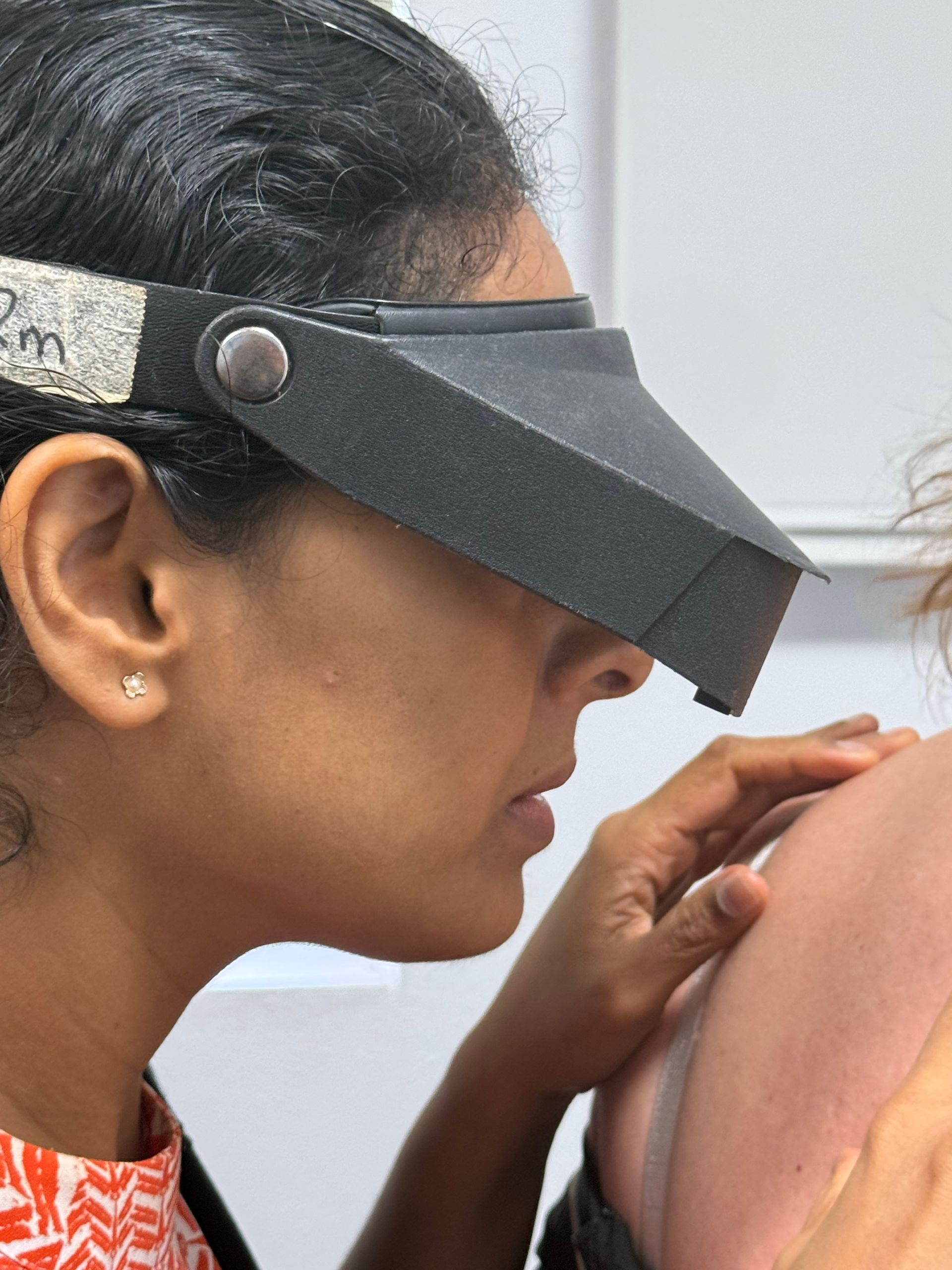
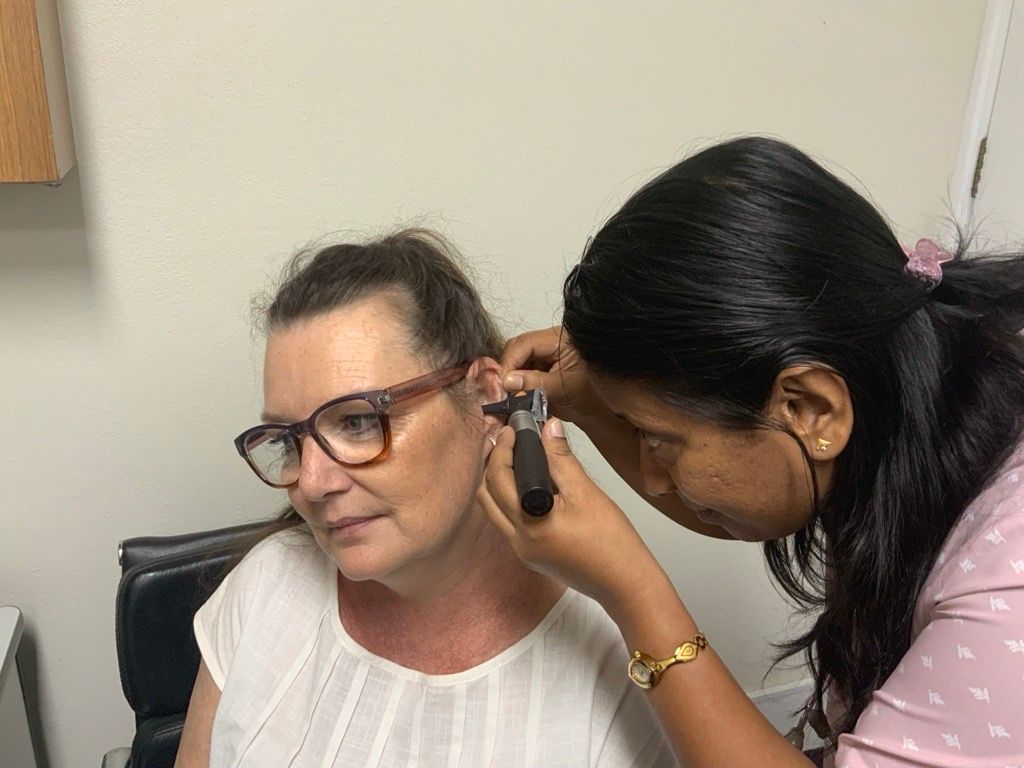
Regular skin cancer checks are essential for early detection and prevention of serious health issues. Skin cancer, particularly in sunny regions, can develop from prolonged exposure to ultraviolet (UV) radiation. Early detection through routine checks significantly increases the chances of successful treatment and reduces the risk of the cancer spreading. A thorough skin examination can identify abnormal moles or skin changes that may otherwise go unnoticed. Regular skin checks are especially important for individuals with a history of skin cancer or those frequently exposed to sunlight. Timely action from these checks can save lives by preventing the progression of skin cancer.
Tips For Preventing Skin Cancer
Preventing skin cancer starts with protecting your skin from harmful UV rays. Always wear sunscreen with a high SPF, even on cloudy days, and reapply regularly, especially after swimming or sweating. Wear protective clothing, including hats and sunglasses, to shield your skin and eyes. Avoid peak sun hours between 10 a.m. and 4 p.m., when UV rays are strongest. Seek shade whenever possible, and never use tanning beds, as they increase skin cancer risk. Regularly check your skin for unusual moles or changes, and schedule routine skin exams with a healthcare professional for early detection and prevention.
Understanding Skin Cancer: What to Look For
Not all skin cancers look or behave the same way. Knowing the difference between the three main types, basal cell carcinoma, squamous cell carcinoma, and melanoma, helps you recognise changes early and understand what our doctors are checking for during your skin check in Mackay.
Basal Cell Carcinoma (BCC)
Basal cell carcinoma is the most common form of skin cancer and typically develops in areas that receive the most sun exposure, such as the face, ears, neck, and shoulders. It often appears as a small, pearly or waxy bump, a flat flesh coloured or brown scar like lesion, or a sore that bleeds, heals, and then reappears. BCC grows slowly and rarely spreads beyond the skin, but left unchecked it can grow into surrounding tissue and become harder to treat. Regular skin checks make it possible to catch BCC early, when treatment is simplest and most effective, and our doctors can assess it during your visit, with removal arranged at a follow-up consultation.
Squamous Cell Carcinoma (SCC)
Squamous cell carcinoma is the second most common type of skin cancer and also develops most often on sun exposed skin, including the face, neck, hands, and scalp. It can present as a firm red nodule, a flat lesion with a scaly or crusted surface, or a sore that doesn’t heal. SCC grows faster than BCC and carries a higher chance of spreading to other parts of the body if it isn’t treated promptly, which makes early detection especially important. Our doctors are experienced in identifying the early signs of SCC and can assess it during your visit, with any biopsy or removal arranged at a follow-up appointment. Any tissue taken is always sent to pathology for results, including procedures performed for cosmetic reasons.
Melanoma
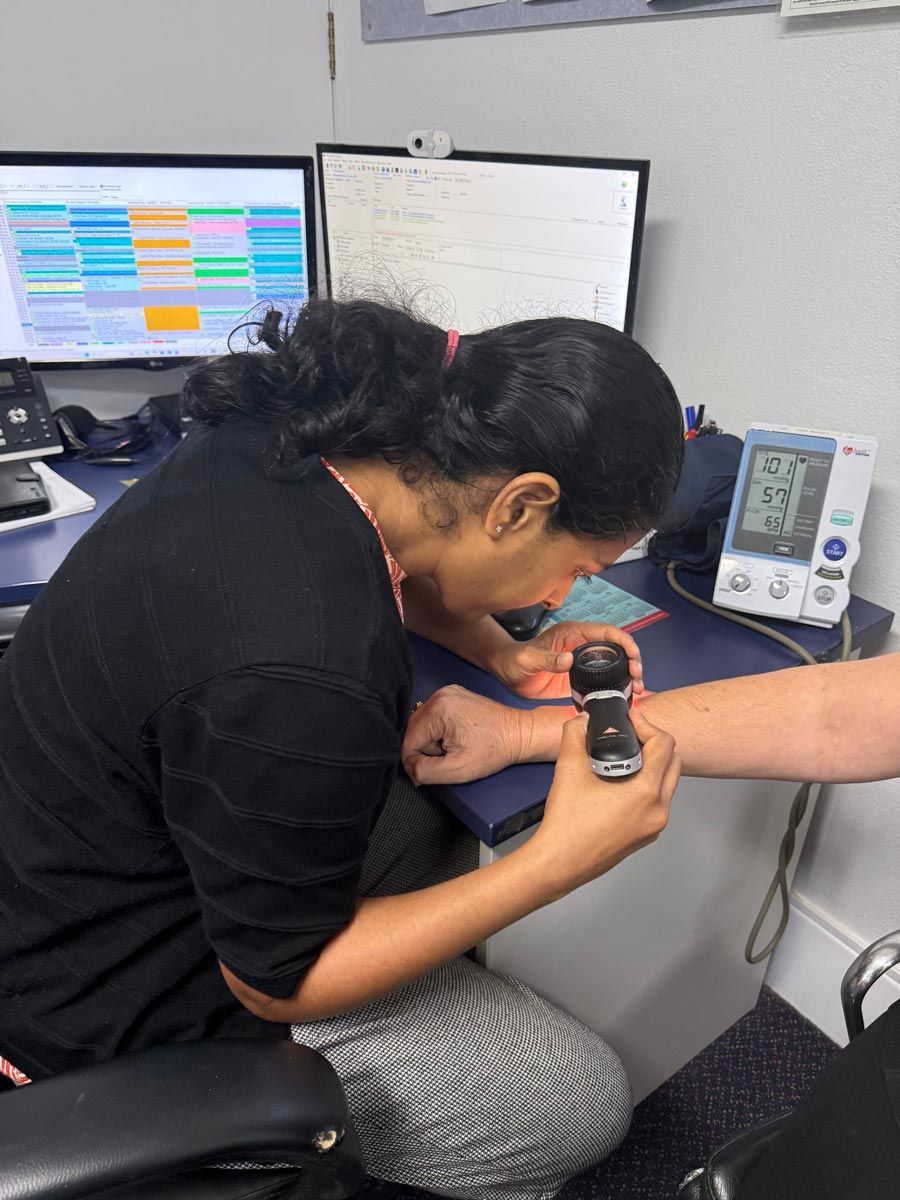
Melanoma is the most serious form of skin cancer. It develops in the pigment producing cells of the skin and can appear as a new mole, or as a change in an existing mole’s size, shape, colour, or texture. The ABCDE rule is a useful guide: Asymmetry, irregular Borders, uneven Colour, a Diameter larger than a pencil eraser, and any Evolving change over time. Melanoma can grow quickly and spread to other organs if not caught early, but when detected in its earliest stages, it is highly treatable. At Health Hub Mackay, our doctors use a dermatoscope to examine any suspicious mole closely. Any suspicious mole is assessed during your visit, with removal arranged at a follow-up consultation, meaning many patients who might otherwise need a separate specialist referral can be assessed and managed here on-site.
We also offer specialist treatments that don’t need excision, which is particularly good for areas like the face and ears.
Our Skin Specialists
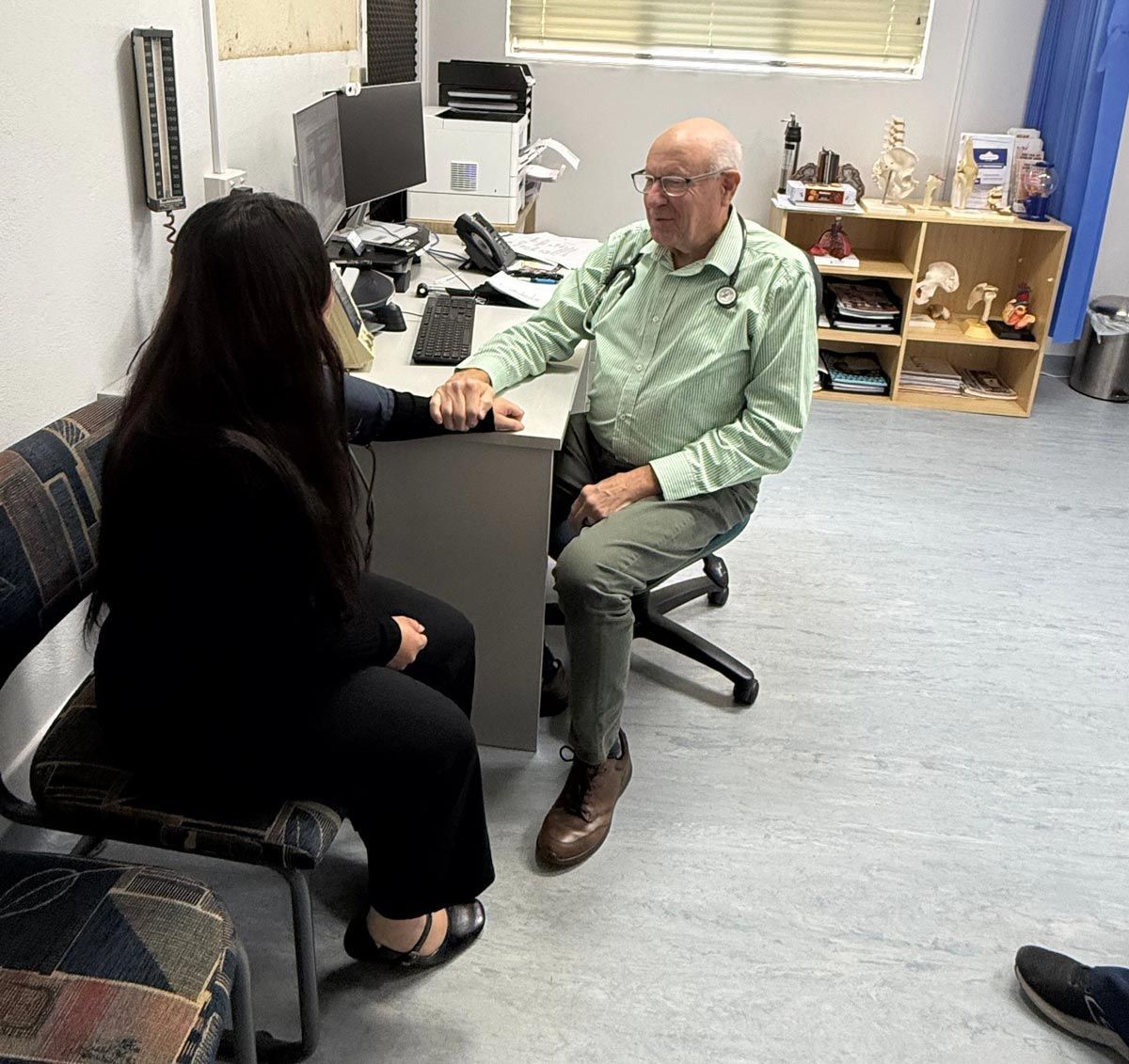
Skin checks at Health Hub Mackay are carried out by experienced doctors with a specific interest in skin cancer detection and management, so you can feel confident that what you're being told reflects real clinical expertise, not a generic assessment.
Dr John Goldston & Dr Graeme Cumming
Dr John Goldston has worked in the field of cosmetic medicine since 1985 and has spent over 30 years focused specifically on skin management and skin cancer management. Dr Goldston has pioneered many of the skin cancer and cosmetic techniques now used across the Mackay and Whitsunday region, and brings this experience to every skin check he performs at Health Hub Mackay.
Dr Graeme Cumming has a special interest in skin cancer and brings a great depth of experience and equipment to assist in patient care.
As our team continues to grow, we’ll introduce any additional doctors taking on skin checks, along with their qualifications and areas of interest, so you always know who is looking after your skin.
Skin checks are supported by the Heine Cube system for mole mapping and dermoscopy.